Table of Contents
ToggleSolo Travel Is Life‑Changing — And It Can Be Safe When You Know What You’re Doing
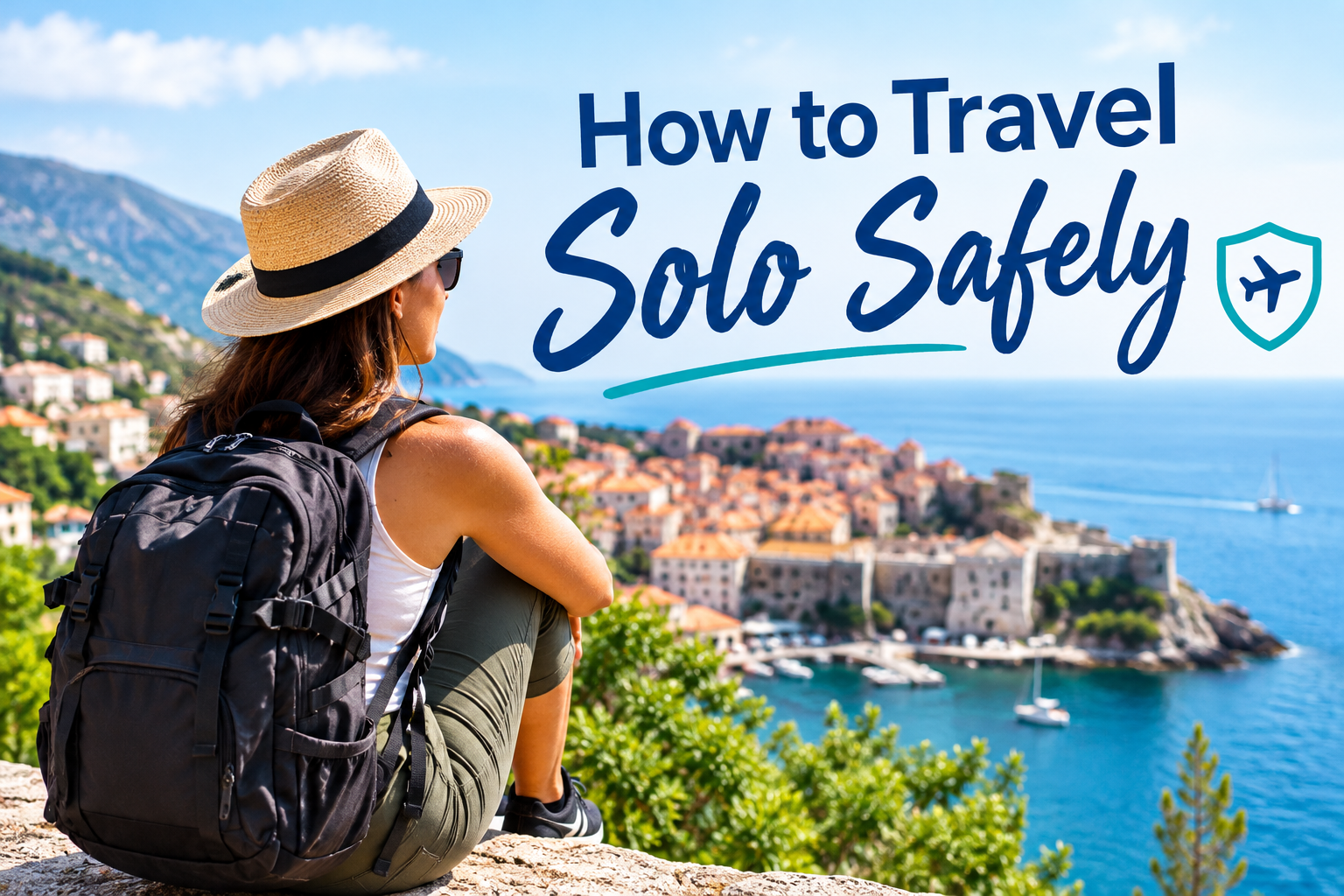
Solo travel is one of the most transformative experiences in the world. It gives you freedom, independence, confidence, and the ability to explore destinations entirely on your own terms. You choose the pace. You choose the itinerary. You choose the adventure.
But solo travel also comes with unique challenges — especially when it comes to safety. You don’t have a partner to watch your bags, a friend to help navigate unfamiliar streets, or a group to deter unwanted attention. You are responsible for everything.
The good news? Solo travel is incredibly safe when you follow the right strategies. Millions of people travel solo every year — including women, seniors, and first‑time travelers — and they do it confidently, comfortably, and without incident.
This guide breaks down exactly how to travel solo safely, covering planning, packing, transportation, accommodation, digital safety, social interactions, scams, emergencies, and destination‑specific strategies. Whether you’re a first‑time solo traveler or a seasoned explorer, this is your complete blueprint for safe, confident solo travel in 2026.
Why Solo Travel Is Worth It (Even If Safety Concerns Scare You)
Before diving into safety strategies, it’s important to understand why solo travel is worth the effort.
1. You Gain Confidence
Navigating a foreign city alone builds self‑trust.
2. You Make More Friends
Solo travelers are more approachable — locals and other travelers engage more.
3. You Choose Your Own Pace
No compromises. No negotiations. No waiting.
4. You Learn About Yourself
Solo travel forces reflection, independence, and personal growth.
5. You Become More Capable
You learn to solve problems, adapt quickly, and stay calm under pressure.
Safety is important — but it shouldn’t stop you from experiencing the world.
Step 1: Choose the Right Destination (Your Safety Starts Here)
Your destination determines 80% of your solo travel safety experience.
Choose Destinations Known for Solo Travel
Look for places with:
- Low crime rates
- Good public transportation
- Friendly locals
- Walkable neighborhoods
- Strong tourism infrastructure
- English‑friendly environments
Best Solo Travel Destinations (2026)
- Japan
- Portugal
- Iceland
- Canada
- New Zealand
- Singapore
- Ireland
- South Korea
- Thailand (major cities + islands)
- Costa Rica
Avoid Destinations With
- High petty theft
- Political instability
- Unsafe public transportation
- Limited tourism infrastructure
- Extreme weather
- Known tourist scams
Pro Tip
If it’s your first solo trip, choose a destination with:
- Easy navigation
- Clear signage
- Reliable transportation
- Strong safety reputation
Step 2: Research Your Destination Thoroughly
Knowledge is your best safety tool.
Research These Topics
- Neighborhood safety
- Local scams
- Cultural norms
- Public transportation
- Emergency numbers
- Weather patterns
- Local laws
- Dress expectations
- Common tourist mistakes
Learn Basic Local Phrases
Even a few words can help you:
- Ask for help
- Navigate transportation
- Avoid misunderstandings
Pro Tip
Join local travel groups online — they provide real‑time safety updates.
Step 3: Book Safe, Reliable Accommodation
Your accommodation is your home base — choose wisely.
Look for These Features
- Central location
- Good reviews
- Safe neighborhood
- 24/7 front desk
- Secure entry
- Well‑lit surroundings
- Female‑friendly options (if needed)
Best Accommodation Types for Solo Travelers
- Hotels
- Hostels with private rooms
- Guesthouses
- Aparthotels
- Boutique hotels
Avoid
- Isolated rentals
- Unverified hosts
- Properties with vague reviews
- Locations far from transportation
Pro Tip
Read reviews specifically from solo travelers — they highlight safety issues others miss.
Step 4: Create a Smart, Flexible Itinerary
A good itinerary keeps you safe without restricting your freedom.
Plan Your Days in Blocks
- Morning: major activities
- Afternoon: exploration
- Evening: safe, well‑lit areas
Avoid
- Wandering late at night
- Isolated areas
- Overpacked schedules
Pro Tip
Share your itinerary with someone you trust — even if it changes.
Step 5: Pack Smart for Solo Safety
Packing is one of the most overlooked safety strategies.
Essential Safety Items
- Portable door lock
- RFID‑blocking wallet
- Crossbody anti‑theft bag
- Flashlight
- Whistle
- First‑aid kit
- Power bank
- Copies of documents
- Emergency cash
Clothing Tips
- Blend in with locals
- Avoid flashy jewelry
- Wear comfortable shoes
- Dress modestly where appropriate
Pro Tip
Pack light — solo travelers need mobility.
Step 6: Stay Connected (Digital Safety + Communication)
Staying connected keeps you safe and informed.
Must‑Have Apps
- Offline maps
- Translation apps
- Rideshare apps
- Currency converters
- Emergency apps
- Local transportation apps
Digital Safety Tips
- Use a VPN
- Avoid public Wi‑Fi
- Turn off Bluetooth
- Keep your phone charged
- Enable location sharing with someone you trust
Pro Tip
Carry a backup phone or SIM card — losing your phone is a major solo travel risk.
Step 7: Master Airport + Transportation Safety
Transportation is one of the most vulnerable moments for solo travelers.
Airport Safety
- Keep your bag in front of you
- Avoid unsolicited help
- Use official taxi stands
- Ignore aggressive drivers
- Keep documents secure
Taxi + Rideshare Safety
- Check license plate
- Sit in the back seat
- Share your ride with someone
- Avoid unmarked taxis
- Ask for the meter
Public Transportation Safety
- Avoid empty train cars
- Stay alert
- Keep your bag zipped
- Avoid late‑night buses
Walking Safety
- Stay in well‑lit areas
- Avoid shortcuts
- Walk confidently
- Keep valuables hidden
Pro Tip
If you feel uncomfortable, enter a store, café, or hotel immediately.
Step 8: Learn How to Avoid Tourist Scams (Solo Travelers Are Prime Targets)
Scammers target solo travelers because they appear more vulnerable.
Common Scams
- Fake taxi drivers
- Friendship bracelet scam
- “Free gift” scam
- Fake petitions
- Fake tour guides
- ATM skimmers
- Currency exchange scams
- Fake police
- “Spill on your clothes” scam
- Overpriced tours
How to Avoid Them
- Stay alert
- Keep distance
- Ignore unsolicited help
- Research local scams
- Trust your instincts
Pro Tip
If someone approaches you aggressively, walk away without speaking.
Step 9: Stay Safe in Social Situations
Solo travel often involves meeting new people — but safety comes first.
Meeting Locals
- Meet in public places
- Avoid isolated areas
- Don’t share your hotel name
- Don’t reveal your full itinerary
Meeting Other Travelers
- Trust slowly
- Avoid sharing valuables
- Stay in public spaces
Nightlife Safety
- Watch your drink
- Avoid getting drunk
- Stay in well‑lit areas
- Use rideshare apps
- Leave if you feel uncomfortable
Pro Tip
If someone makes you uneasy, leave immediately — no explanations needed.
Step 10: Protect Your Money + Documents
Losing your passport or wallet is a solo traveler’s worst nightmare.
Money Safety Tips
- Use multiple payment methods
- Keep emergency cash hidden
- Use an RFID wallet
- Avoid carrying all cash at once
Document Safety Tips
- Keep passport in hotel safe
- Carry a copy
- Store digital copies
- Use a waterproof pouch
Pro Tip
Never hand your passport to anyone except official authorities.
Step 11: Stay Healthy + Aware
Health issues can become emergencies when you’re alone.
Health Safety Tips
- Stay hydrated
- Eat regularly
- Avoid risky foods
- Carry medication
- Know local emergency numbers
Pro Tip
If you feel sick, seek help early — don’t wait.
Step 12: Trust Your Instincts (Your Most Powerful Safety Tool)
Your instincts are your best guide.
Signs Something Is Wrong
- You feel uncomfortable
- Someone is too friendly
- Someone is too helpful
- Someone pressures you
- Someone asks personal questions
- Someone tries to isolate you
Pro Tip
Walk away immediately — politeness is not required.
Step 13: Learn How to Handle Emergencies
Emergencies are rare — but preparation matters.
Emergency Plan
- Know local emergency numbers
- Identify nearby hospitals
- Save embassy contact info
- Keep emergency cash
- Have a backup phone
Pro Tip
If you lose your passport, go to your embassy immediately.
Step 14: Stay Low‑Key (Don’t Draw Unnecessary Attention)
Solo travelers should blend in.
Avoid
- Flashy jewelry
- Expensive cameras
- Loud behavior
- Revealing you’re alone
Pro Tip
Walk with purpose — even if you’re lost.
Step 15: Choose Safe Activities
Some activities are safer than others for solo travelers.
Safe Activities
- Group tours
- Cooking classes
- Walking tours
- Museums
- Beaches with lifeguards
- Guided hikes
Risky Activities
- Solo hiking
- Remote areas
- Night swimming
- Excessive drinking
- Hitchhiking
Pro Tip
If an activity feels risky, skip it.
Step 16: Use Technology to Stay Safe
Technology is your best friend.
Safety Apps
- Offline maps
- Emergency apps
- Location sharing
- Translation apps
- Rideshare apps
Pro Tip
Download offline maps before you arrive.
Step 17: Stay Organized (Chaos Leads to Mistakes)
Organization reduces risk.
Stay Organized With
- Packing cubes
- Travel folders
- Digital backups
- Daily checklists
Pro Tip
Review your belongings every night.
Step 18: Stay Calm Under Pressure
Scammers and unsafe situations rely on panic.
How to Stay Calm
- Breathe
- Step back
- Assess the situation
- Walk away
- Seek help
Pro Tip
Confidence deters scammers.
Step 19: Learn Local Etiquette + Cultural Norms
Respecting local culture keeps you safe.
Learn About
- Dress codes
- Behavior expectations
- Gender norms
- Religious customs
- Tipping culture
Pro Tip
When in doubt, observe locals.
Step 20: Build a Solo Safety Routine
Routine keeps you safe.
Daily Routine
- Check your belongings
- Review your route
- Charge your phone
- Hydrate
- Stay aware
Pro Tip
Consistency prevents mistakes.
10‑Day Safe Solo Travel Itinerary
Day 1 — Arrival
Use official transportation. Settle in.
Day 2 — City Exploration
Stay in central areas.
Day 3 — Group Tour
Meet other travelers safely.
Day 4 — Cultural Activity
Cooking class, museum, or workshop.
Day 5 — Nature Day
Guided hike or beach day.
Day 6 — Relaxation
Café hopping, reading, journaling.
Day 7 — Adventure
Boat tour, day trip, or scenic train.
Day 8 — Shopping
Avoid tourist traps.
Day 9 — Local Neighborhoods
Explore safely during daylight.
Day 10 — Departure
Stay alert at the airport.
Conclusion: Solo Travel Is Safe When You Follow a System
Solo travel doesn’t have to be scary. When you plan strategically, stay aware, trust your instincts, and follow the safety strategies in this guide, you can travel anywhere in the world confidently and comfortably.
Solo travel gives you freedom, independence, and unforgettable experiences — and with the right preparation, it can be one of the safest ways to explore the world.
This guide gives you the complete blueprint to travel solo safely in 2026 and beyond.